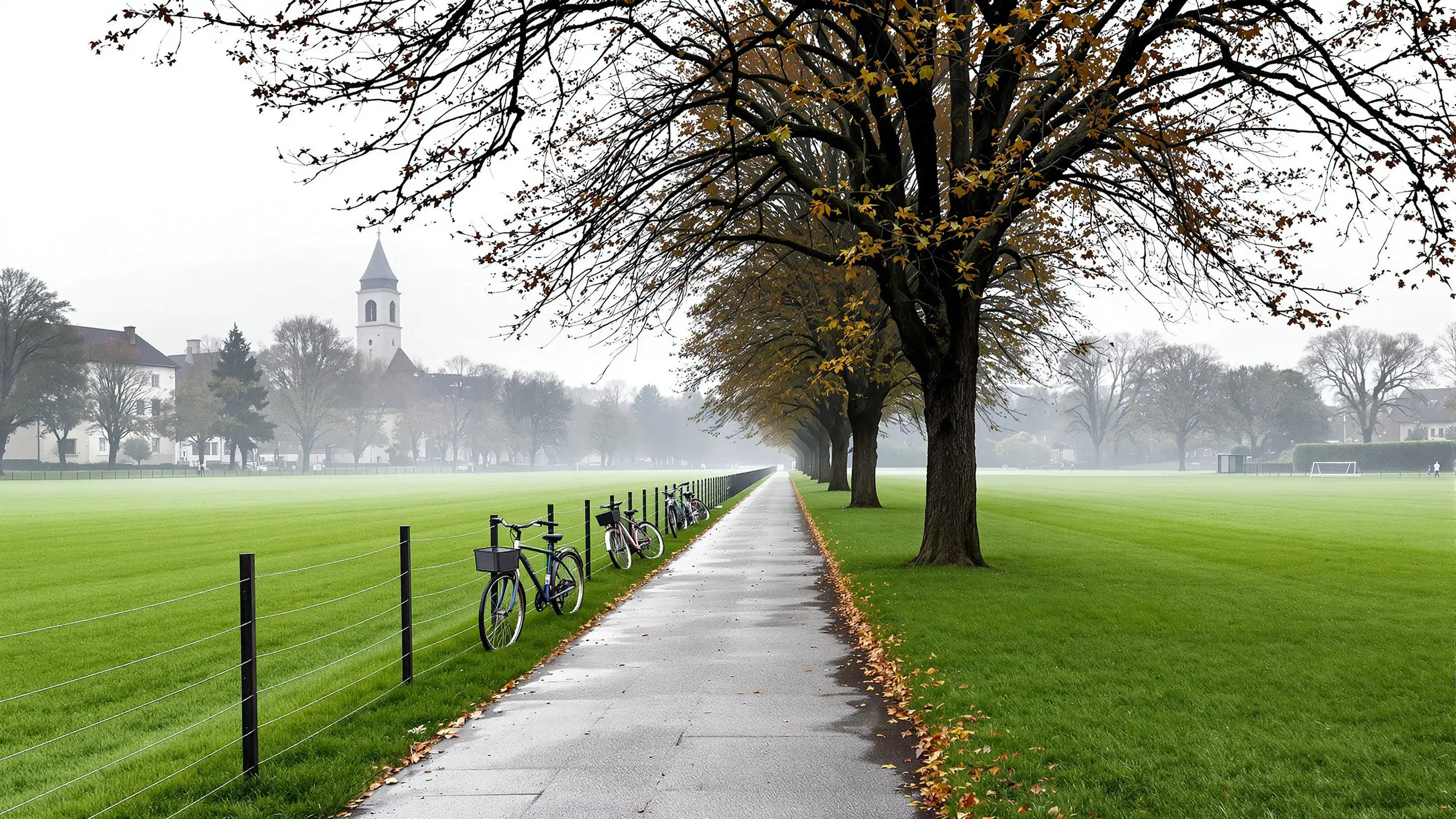
Switzerland has an extensive network of international schools, particularly around Zurich, Zug, Geneva, Lausanne and Basel. Many offer the International Baccalaureate; others follow British, American, French or bilingual curricula.
International school or local school?
Swiss public schools are strong and are generally funded through taxation, but instruction is in the cantonal language. For younger children, immersion can be an advantage. For a 15-year-old arriving midway through GCSEs, A-levels or an IB programme, changing curriculum can be far more disruptive.
For the surrounding context, see living in Switzerland.
International schools provide continuity, English-language instruction and an instant international community. The price is substantial tuition and, in some cases, long waiting lists.
If this decision changes the viability or sequence of your move, a Swiss relocation strategy consultation can apply it to your own facts.
Apply before you sign the long-term lease
The sequence matters. A family can choose a low-tax commune, sign a five-year lease and then discover that the preferred school has no place or creates a 70-minute daily journey.
Shortlist schools first, establish admissions probability, then map realistic residential areas and tax consequences around them.
Fees are only the first number
Budget for registration and capital fees, transport, meals, trips, devices, extracurricular activities and sibling costs. Employer education allowances can change the tax and compensation analysis, so include them in the employment package before signing.
For the surrounding context, see Swiss childcare.
Immigration and school records
School admission does not create a residence right for the parents. The family’s immigration route still needs to work independently. Keep translated academic records, vaccination documents and custody/parental-consent documents ready where relevant.
For the surrounding context, see English-friendly cantons.
For families, the right Swiss plan often starts at the school gate, not the tax office.
Admissions start before the move
Popular international schools can have waiting lists, entrance assessments and year-group constraints. Contact schools while you are still choosing the canton, particularly if a child is approaching IB, A-level, AP or another examination stage where curriculum continuity matters.
Ask not only tuition but also registration fees, capital/building levies, meals, transport, trips, laptops and after-school activities. The all-in annual family cost can be materially higher than the published tuition line.
The strategic question: international or local?
International school preserves continuity and English-language education. Local public school accelerates integration and language acquisition and is funded through the public system. Some families use international school for the first years and then transition; others stay international because another country move is likely.
If permanent residence or citizenship is an objective, local-language competence matters independently of school choice. Build language into the family plan rather than assuming an English-school bubble will solve long-term integration.